


Performer vs. Artist – What's the Difference and Which Are You?

"I am a dancer"
If you love dance, you have probably used that sentence to describe yourself. But, what does it mean to be a dancer? A performer? An artist? At Noor, we strive to be artists, not just performers. That means we're not only trying to be someone who does routines on stage – we're learning to understand dance from all perspectives. It's a complex idea, so here are some tips on how you can work on being a better artist in your own dance journey:

Recognize everyone's part in making your journey successful
Dance is a team sport! There are so many people doing so many different jobs that help us put together a performance. When we perform, it's easy to just think of the routine we have to memorize and our own costume and make-up. But to be a better performer, it's important to recognize everything else involved in making that performance happen. Here are some of the people who help create a performance:
Choreographer & Director: In many cases, your teacher will be doing both these roles in addition to teaching you, but they really are separate jobs! A director has to have a vision for the whole show and make sure each person is working in a way that serves that vision. A choreographer works with the director to bring that vision to life through steps and music selection.
Musicians: Whether you have live music or recorded music, there was likely a whole team that worked together to create the pieces you are dancing to.
Light & Sound Technicians: A show can fall flat if it's not lit properly or if you can't hear the music, speech, or ghungroo clearly. These people have complicated job, which is why we typically devote an extra rehearsal just for tech!
Costume Designer: Just like the choreographer, the costume person has to think carefully about what outfits, hair, and makeup will best match the director's vision, the performance venue, and the performers' abilities to dance. Costumes have to fit, can't fall or trip up the dancers, and match each other. Plus, if there are quick costume changes, they have to be easy to pull on and off.
Photographer & Videographer: One of the best parts of performing is checking out the photos and videos afterward. It is hard work to capture art, especially when it is moving, so be appreciative of these people!
Audience, Supporters, & Volunteers: No performance can happen without the supporters who cheered you on, drove you to practice, paid for your lessons, or volunteered their time to help pin your costume. They come to watch you perform and are invested in the stories you are telling. Be sure to thank them!
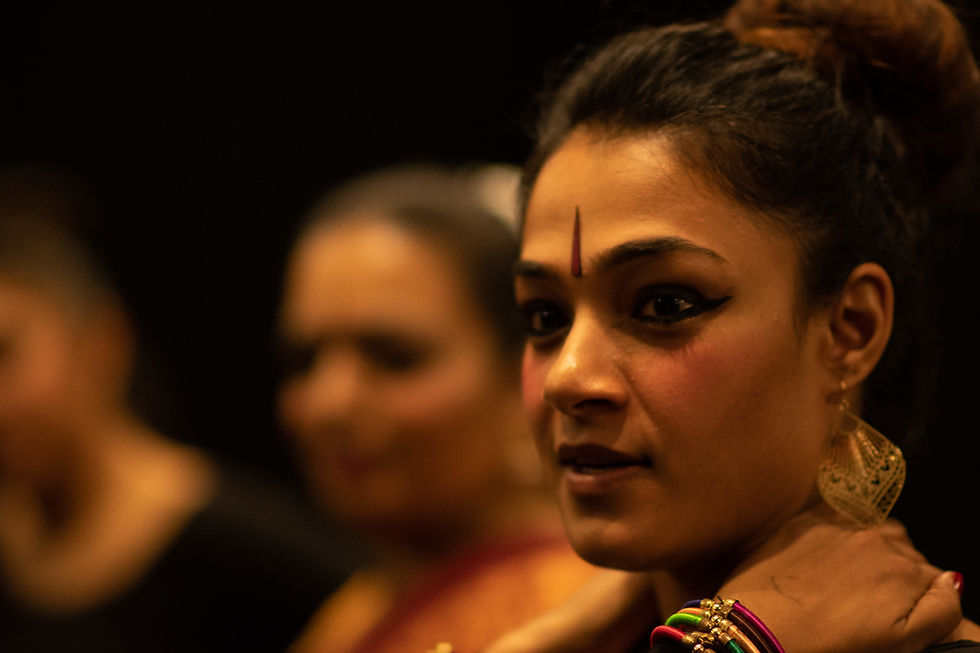
Listen and watch
With so many jobs going on, there is a lot to learn. The best way to start doing this is to listen and watch. You can learn so much by just observing! If you don't have experience in a certain area (such as videography, choreography, or costuming), rehearsal and performance days are not the time to voice your opinions. Instead, talk to your teacher or director before or after class. You can say something like, "I thought the costumes looked really cool. I would like to learn how to pin a dupatta and do stage makeup. How can I learn and help out for the next show?" They will probably be very appreciative!
Be ready to do your part
Because there are so many moving pieces, everyone has to be ready to do their part at all times. As a dancer, you should make sure your piece is well-practiced before you come to the dress rehearsal. During dress rehearsal, tech, and on show day, listen well and be attentive because things often change last minute. People fall sick, a piece of equipment doesn't work, a costume falls apart, or the director wants to add a new piece – all sorts of things happen, and we need to be prepared! Stay respectful, don't complain, and just enjoy the creative chaos that is normal before any performance!
Volunteer to help
Once you are sure you are totally prepared with your own part, keep an eye out to see if you can be helpful to someone. Maybe someone is carrying in costumes, or audience members are arriving early and look confused. Maybe the welcome desk hasn't been set up yet, and you know how to do it. Politely ask the director if you can help with something, and then follow through and do that thing. If you will have to ask lots of questions about it, it's probably best for someone else to do that job. If there is nothing for you to do, be patient. Sometimes there will be downtime. Use this time to stretch and review your dance quietly.

Learn what you don't know
Take time to learn about the other roles that help bring a performance to life! There is a lot to study about music theory, production, costuming, choreography, and direction. Understanding music theory will help you work with live musicians, understanding costuming will help you look neater on stage, and understanding choreography will help you highlight the important parts of your performance. The more knowledgeable you are about these fields, the more versatile you will be, and the better you will be as a performer, too!


Comments